SIRENS: EVA FOUNDATION
EVA Foundation opened in Bucharest in October 2025 with Sirens, bringing together works by 21 women-identified artists—including two Romanians—to explore the intersection of femininity and feminism.
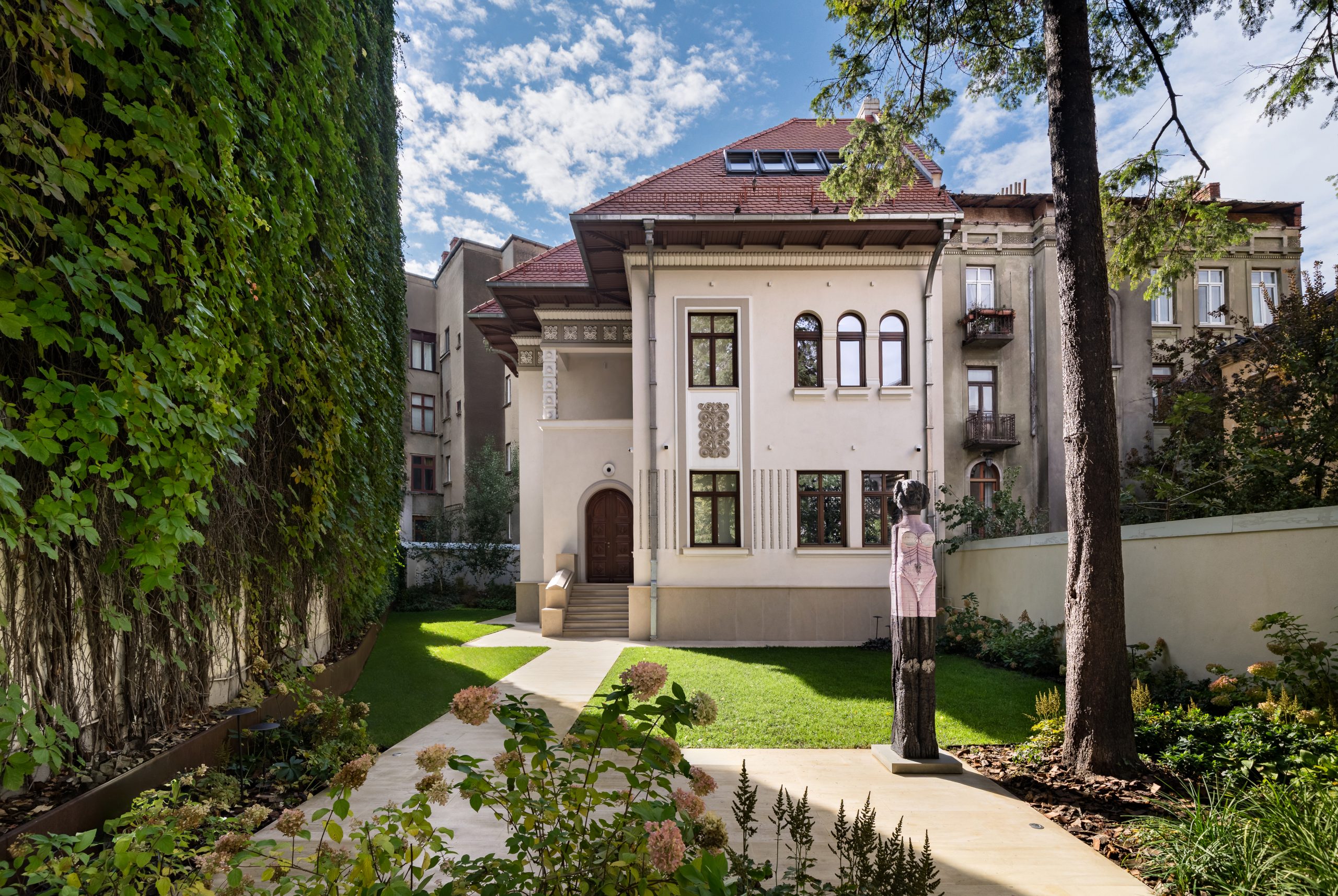
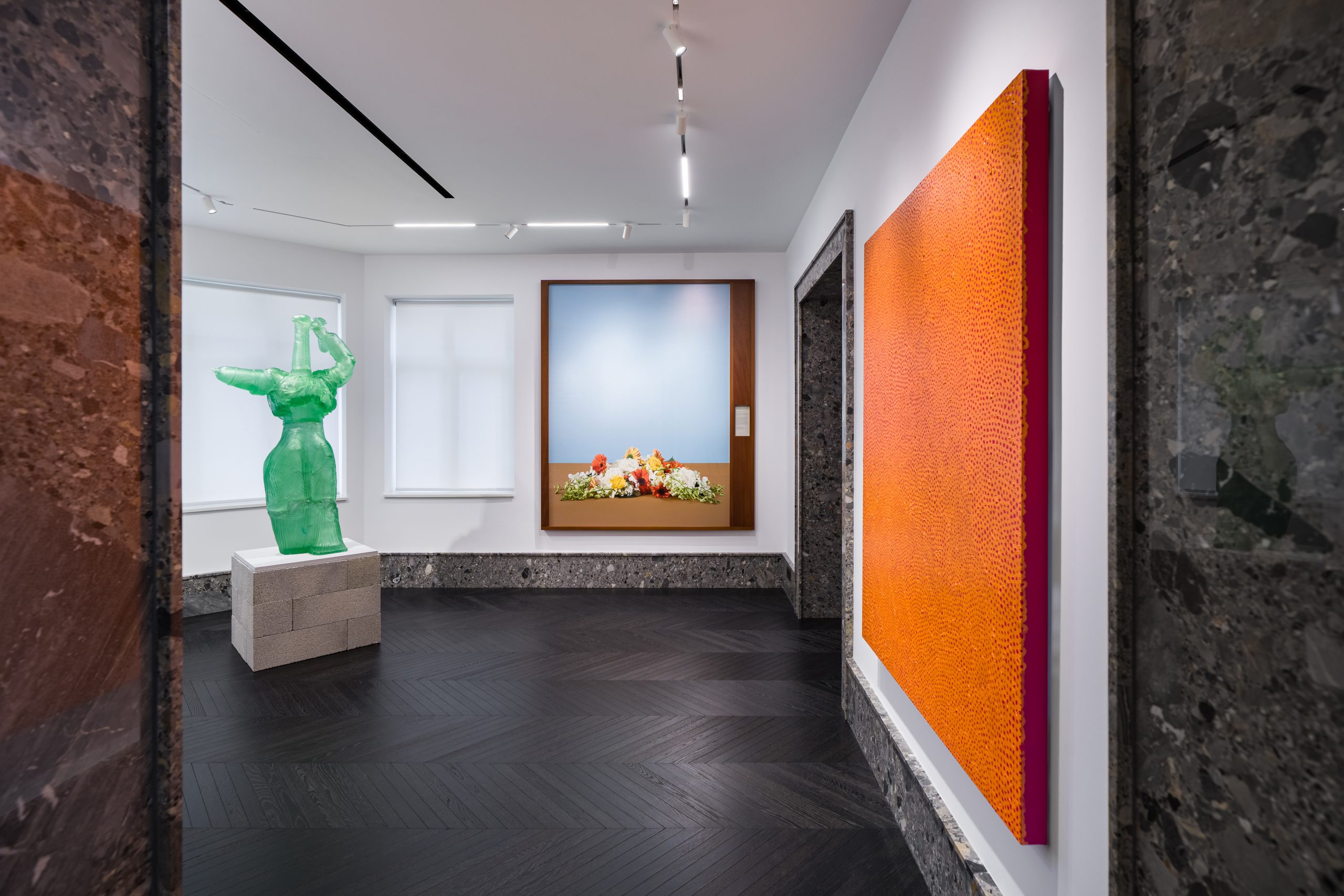
Private collections boasting blue-chip artists often focus on the names in their rosters at the expense of the quality of the works themselves. But from the 2021 Huma Bhabha sculpture that greets visitors on entry to the garden to the 1960 Louise Nevelson wall piece inside and everything temporally and spatially in between, the works in Sirens are nearly uniformly exemplary.
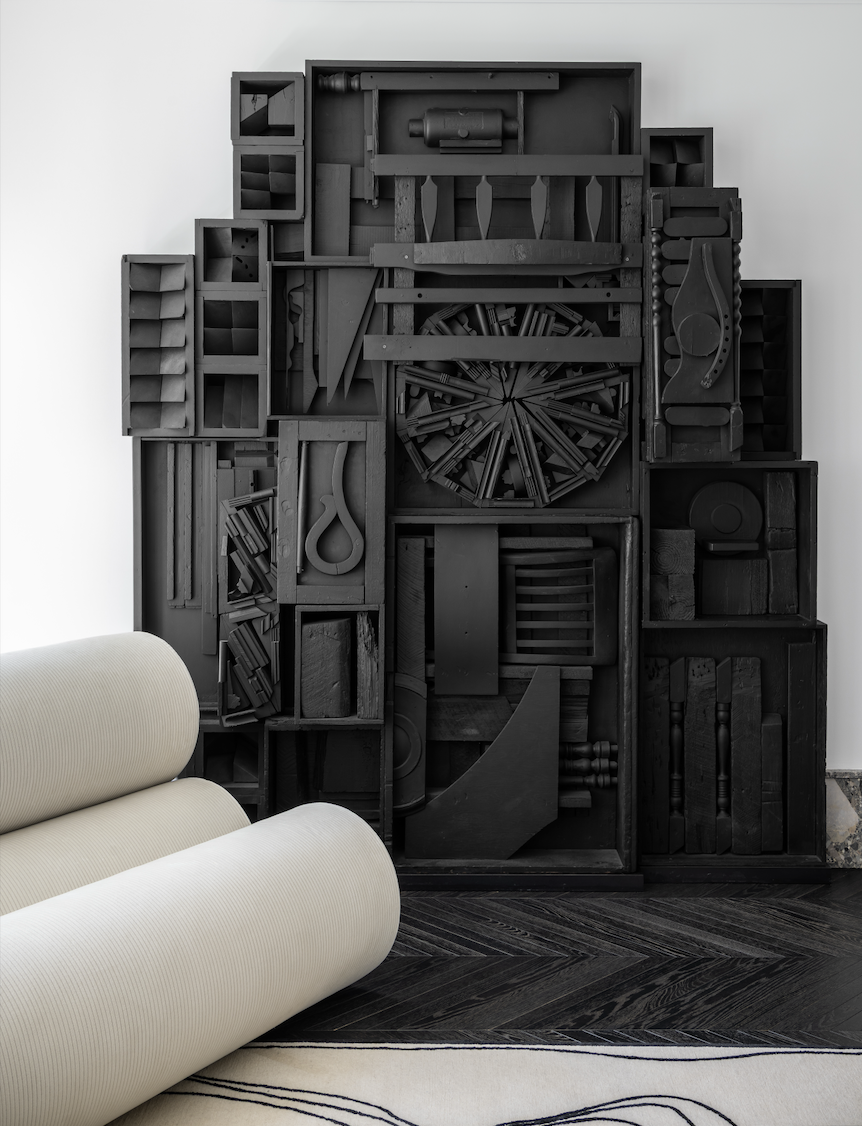
The first publicly accessible, privately held collection of international art in Romania, the institution was founded by Ecaterina Aguiar-Lucander, daughter of Anca Vlad: pharmaceutical entrepreneur, matriarch, and one of the most prominent collectors in the country. In some ways still recovering from Nicolae Ceauşescu’s authoritarian regime, which was overthrown in 1989, Romania persists in scoring lower than other EU states on key progressive indices, including gender equality. Aguiar-Lucander’s upbringing set her apart from some of her peers; it also contributed to a curiosity about Western feminism that came with her when she moved to the US in 2016, just months before Hillary Clinton lost the presidential election—a defeat that Aguiar-Lucander read as a referendum on the limits of feminism in the States. After graduating from Yale’s art history program, where she wrote her thesis on cultural heritage legislation, she worked at White Cube, honing her skills as an object researcher. Articulate in both the selection of objects and in the wall texts, most of which were written by Aguiar-Lucander, is a lucid curatorial vision that channels moving between East and West into a study of the potentials and limits of political rhetoric to describe the relationship between ideologies and lived experience.
“Aguiar-Lucander’s upbringing set her apart from some of her peers; it also contributed to a curiosity about Western feminism that came with her when she moved to the US in 2016, just months before Hillary Clinton lost the presidential election—a defeat that Aguiar-Lucander read as a referendum on the limits of feminism in the States. ”
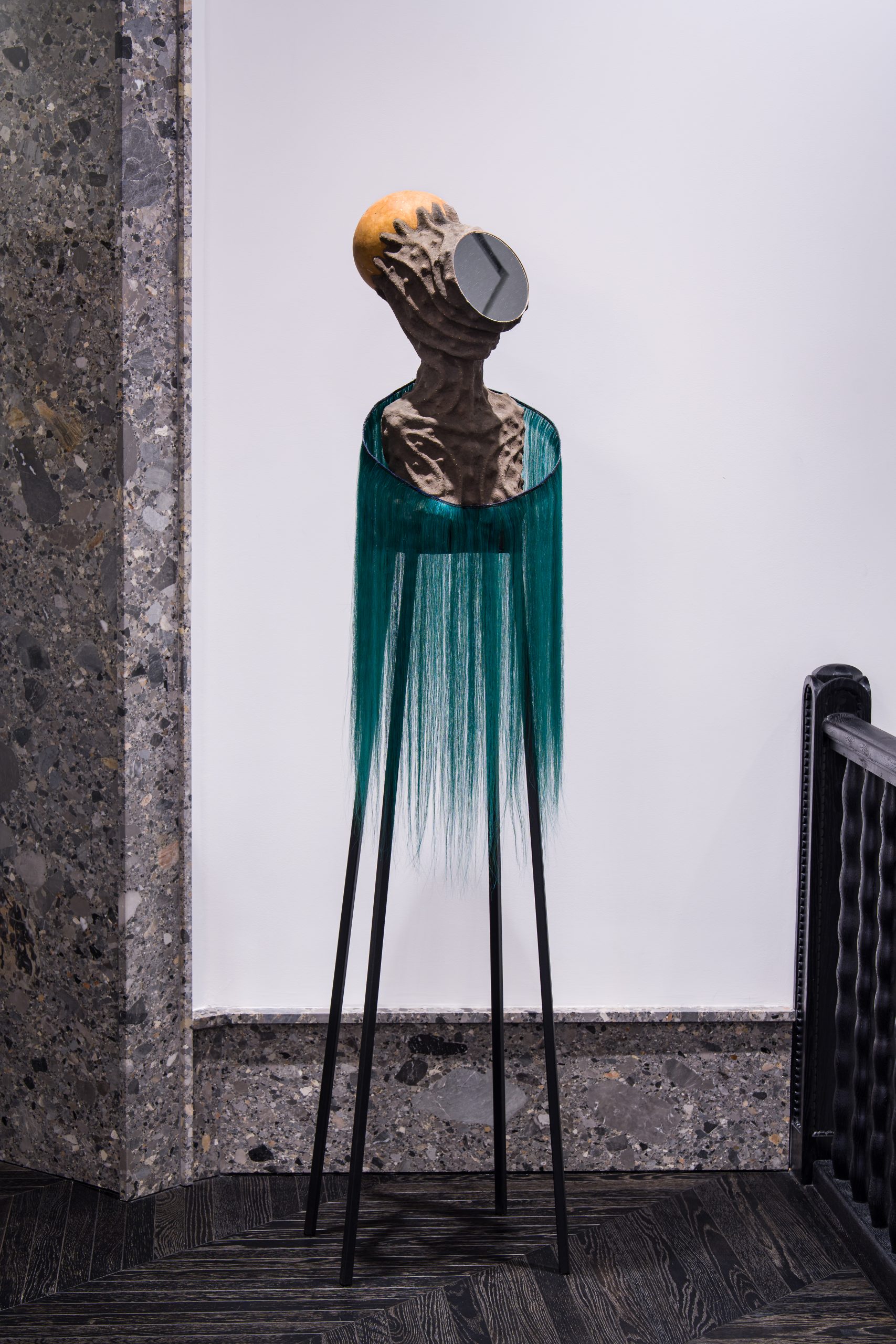
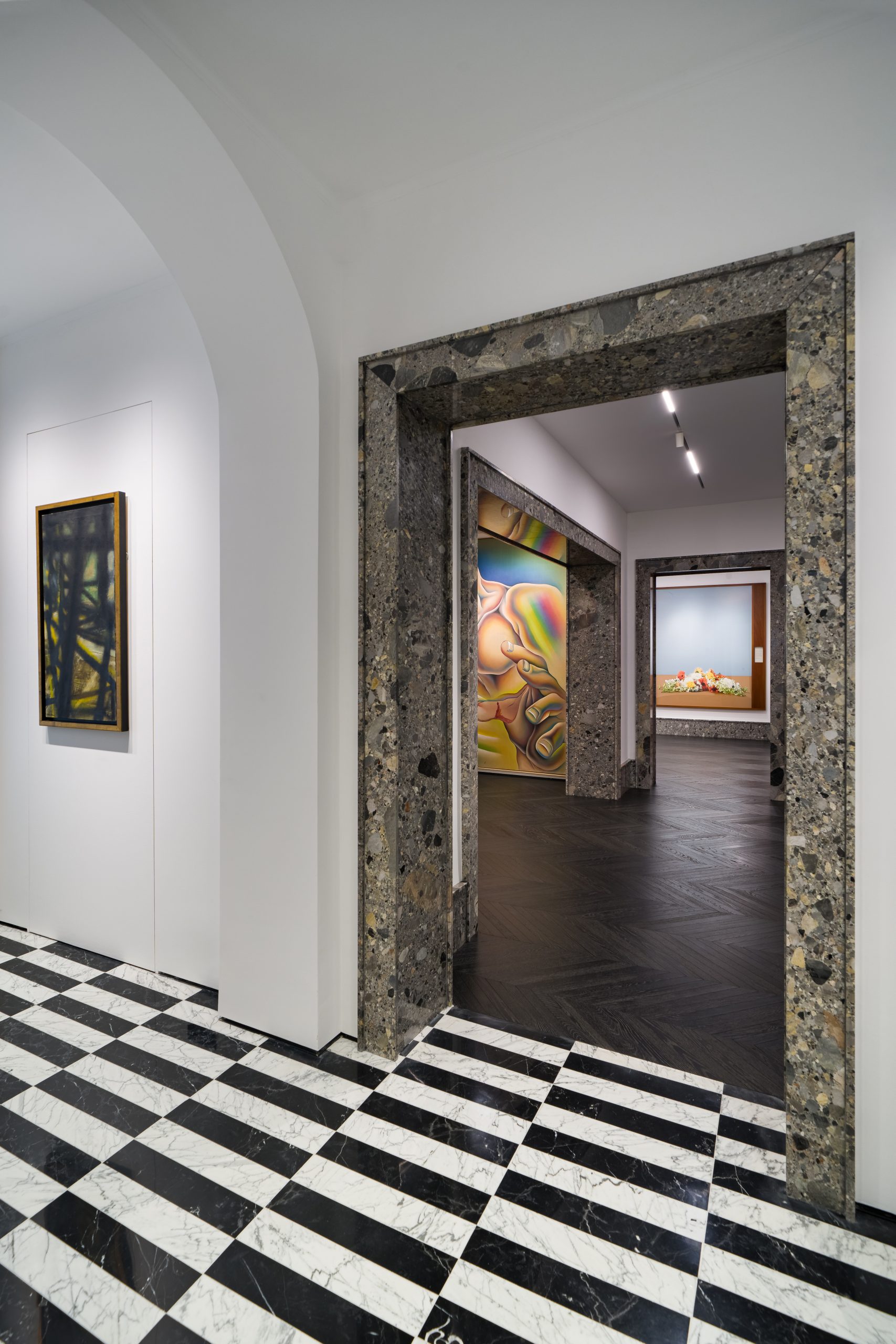
The Foundation’s 1930s villa, renovated specifically to house the collection, is narrativized as animating tensions explored within its inaugural show, situating both EVA Foundation and Sirens in a long history of feminist explorations of the relationship between house and body. Of the generation of artists most associated with such themes–those of the 1960s and 1970s–Judy Chicago is one of the most controversial figures, in part because of the essentialist politics that are readily read into her work, most notably in The Dinner Party (1979), on permanent exhibition at the Brooklyn Museum. But a massive triptych titled Rainbow Man (1984) installed in an alcove off the entry way at EVA Foundation presents a robust challenge to such readings. The three nine-foot-high canvases, part of Chicago’s 1980s “PowerPlay” series—an anachronistic body of work that can be difficult to metabolize in the evolving world of gender in the 21st century—deploy color and form in ways that collapse figure into ground, pictorial representation into abstraction, inviting the viewer to consider how and under what circumstances one category shades into another. This incitement to look is at the heart of the project: Aguiar-Lucander imagined EVA Foundation in part as a way to expose current and future generations of Romanians to global feminist art and, in turn, to provide a mechanism through which to critique East-West and other ideological binaries.
“The three nine-foot-high canvases, part of Chicago’s 1980s “PowerPlay” series—an anachronistic body of work that can be difficult to metabolize in the evolving world of gender in the 21st century—deploy color and form in ways that collapse figure into ground, pictorial representation into abstraction, inviting the viewer to consider how and under what circumstances one category shades into another. ”
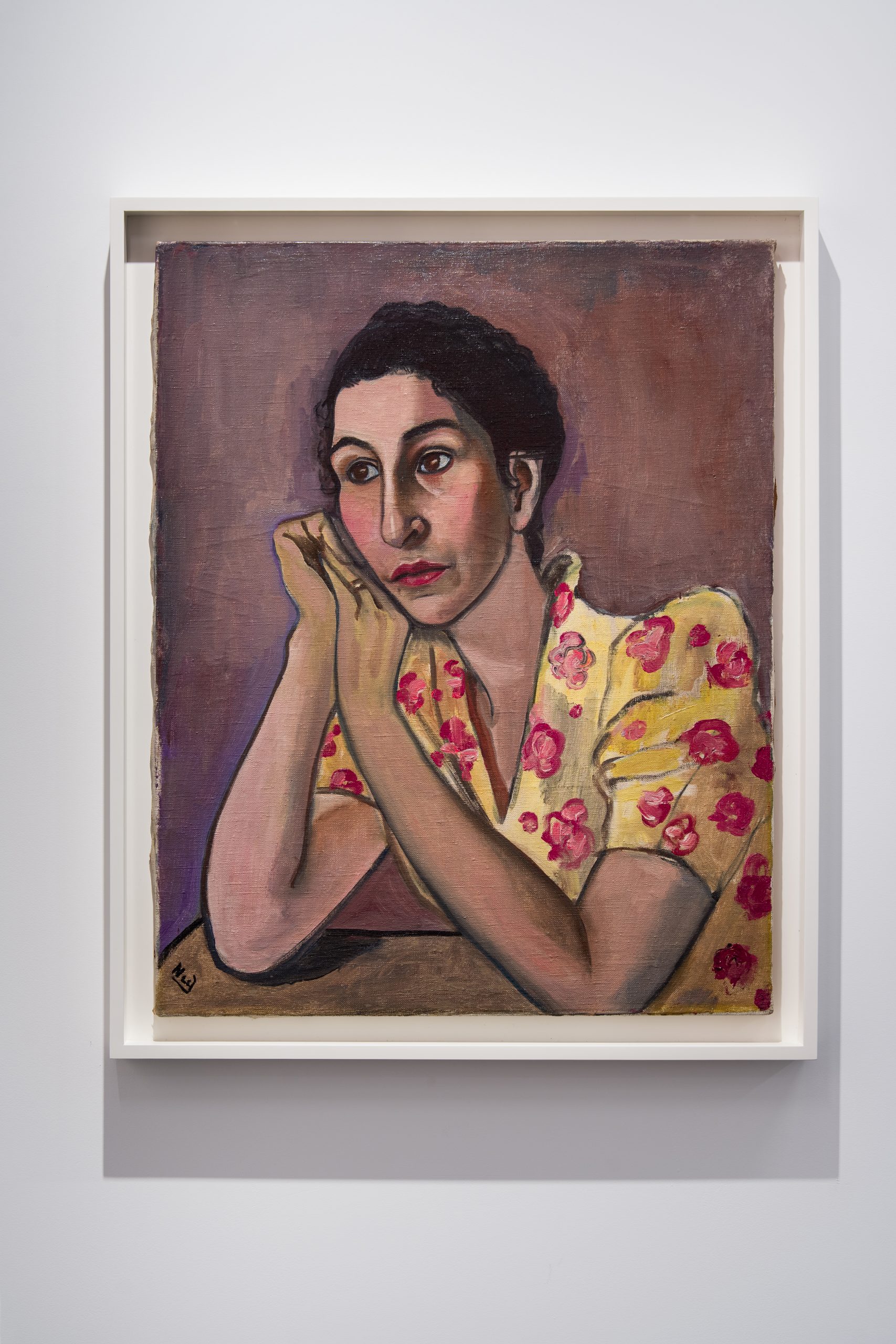
Aguiar-Lucander is thinking deeply about the role and responsibilities of the institution and the many firsts for which it stands, in no small part because EVA Foundation is the most recent contribution to a wave of substantial change that has washed over the Romanian art scene in the last decade. The Vlad family’s leadership has been pivotal in cultivating relationships between local and global arts ecosystems and has encouraged others, including private citizens and public companies, to do the same. Romania’s major gallerists have taken note.
Suzana Vasilescu opened the Los Angeles and New York-based Nicodim Gallery’s Bucharest location in 2013 before starting her own outfit, SUPRAINIFIT, in 2015, with the express purpose of establishing a gallery run and showing art by women. As the Romanian gallery ecosystem has evolved its once primarily nationalist and historical focus to a more contemporary and international one, Vasilescu and others have observed an uptick in interest in women artists from former communist countries. This sentiment is echoed by Andrei Jecza, who founded his eponymous gallery in Timoșoara in 2011 and credits EVA Foundation, with its focus on women and access, as part of a pivotal shift, crucial in encouraging support both within and beyond the arts.
As has been the case for decades, the meaning of feminism continues to be contested. As that debate has evolved, there remains a true global scarcity of art institutions that make work by women their mission. In seeking to address that discrepancy, EVA Foundation catalyzes a community of artists and viewers against a groundswell in nationalism and misogyny sweeping so many purportedly democratic states. What distinguishes EVA Foundation also proves how much more work there is to be done in support of its cause.
Dr. Cat Dawson works at the intersection of gender and sexuality studies and art history in modern and contemporary U.S. and Europe. Their first book, Monumental: How a New Generation of Artists is Shaping the Memorial Landscape, published in 2025 with The MIT Press, shows how the role of monuments has shifted over the last fifty years. They are currently working on their second book, Trans Form: Gender, Visibility, and the Politics of Abstract Aesthetics.